
Dissolved oxygen
Under increased atmospheric pressure, breathing high-concentration oxygen increases the amount of oxygen dissolved in plasma. [3]
Understand hyperbaric oxygen, what a session involves, and how to explore research and chamber options in Singapore.
O2genes Learning · Updated 9 October 2026
Hyperbaric oxygen therapy (HBOT) involves breathing oxygen in a pressurised environment.
Under increased atmospheric pressure, more oxygen can dissolve into the blood plasma compared with breathing oxygen at normal atmospheric pressure. Medical HBOT combines medical-grade oxygen and increased pressure; the oxygen delivery, pressure and exposure duration belong to a defined clinical protocol. [1]
Oxygen delivered through the system's specified breathing setup is what a person actually receives. The gas inside the HBOT cocoon® and the oxygen a person breathes are not always identical.
Clinical HBOT is used for defined medical conditions, including decompression sickness and certain difficult-to-heal wounds. A healthcare team assesses suitability and chooses the protocol. [2]
A session may use a single-person chamber or a shared chamber with a specified oxygen-breathing setup. Pressure rises and falls in stages, and the team monitors the session. Duration and repeat visits depend on the treatment plan. [2]
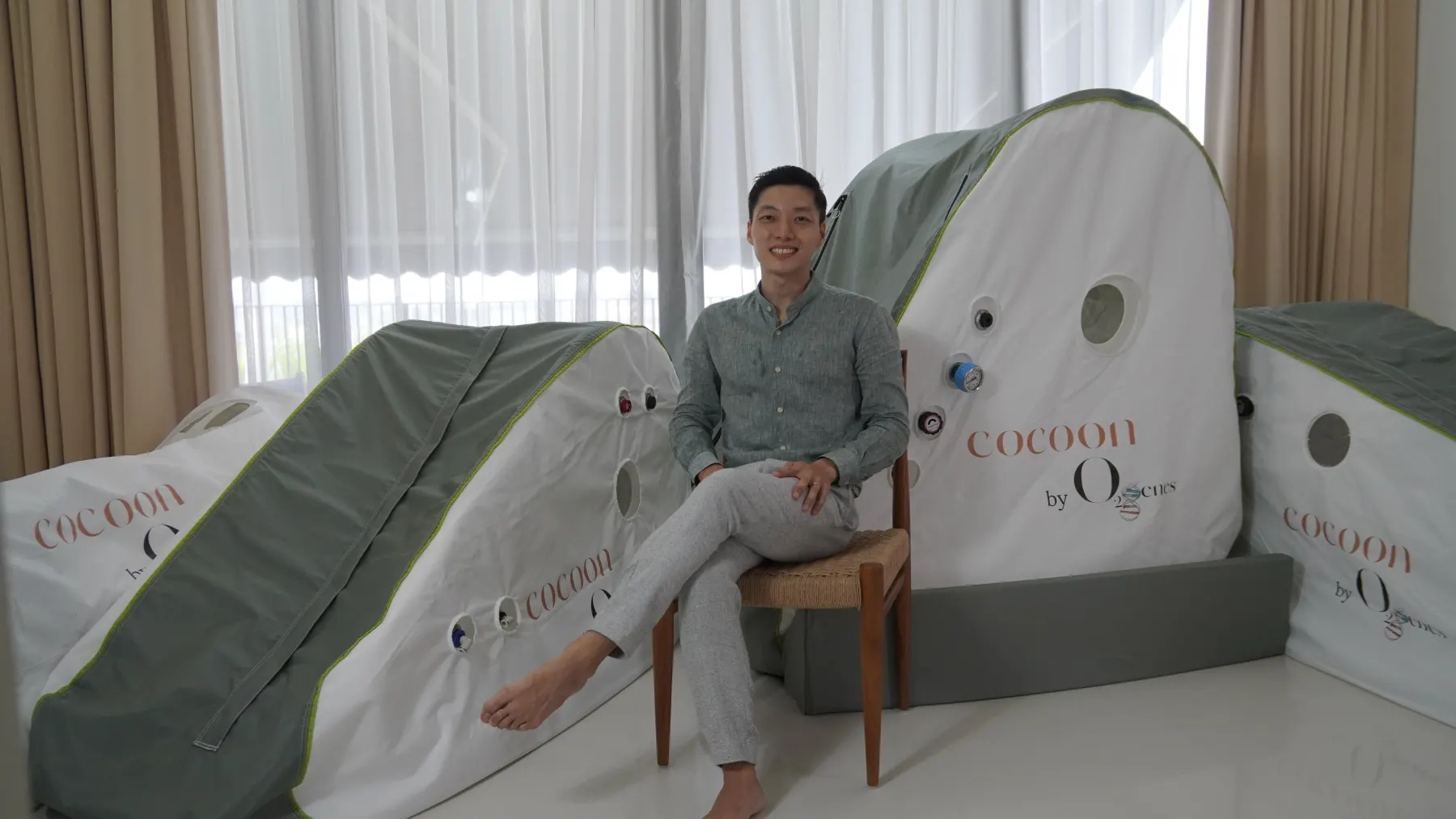
For an O2genes wellness enquiry in Singapore, start with the intended setting: a showroom experience, a Soft Shell rental or a system for your own space. Compare the formats and oxygen setup, review session and product questions, and explore the HBOT cocoon® series. A wellness product enquiry and a clinical treatment plan are different decisions.
Under increased atmospheric pressure, breathing high-concentration oxygen increases the amount of oxygen dissolved in plasma. [3]
Research has reported changes in signalling pathways associated with angiogenesis, including VEGF-related pathways, after repeated HBOT exposures. [3]
HBOT has been reported to influence oxygen- and redox-sensitive cellular signalling pathways. [3]
In a human study using one specific protocol, 2.0 ATA oxygen for 2 hours, circulating CD34+ stem and progenitor cells increased. [4]
Sleep and rest — tracked through subjective questionnaires, daytime sleepiness and wearable trends.
Recovery and performance — studied across specific injury, fatigue and rehabilitation contexts.
Healthy-ageing markers — emerging work includes vascular, inflammatory and cellular biomarkers.
Cognitive research — studied in defined populations with specific protocols and outcome measures.
The meaning of each result depends on the population, protocol, comparison group, and outcome measured.
A mechanism explains what may change biologically. To understand whether that change is useful, continue through the measured marker, clinical outcome, and individual decision.
Pressure can increase dissolved oxygen. This is the biological starting point.
A study may observe a change in a questionnaire, wearable metric or biomarker.
A meaningful health outcome needs an appropriate population, comparison, and study design.
Suitability still depends on personal risks, goals, product instructions and qualified advice.

Follow the exact manufacturer instructions for the specific device and configuration.
Make sure a trained operator provides the supervision or monitoring required for that setting.
Follow the fire-prevention rules, approved clothing requirements, prohibited-item list, and grounding instructions for that chamber.
Complete cleaning, maintenance, and safety checks on the schedule specified for the chamber.
Ask a qualified healthcare professional to assess medical suitability, contraindications, and persistent symptoms.
Explore sleep, healthy-ageing and recovery research, or compare chamber systems.
Sleep stages, rest habits, and when to seek care for persistent symptoms.
The Hachmo et al. 2020 study, read as a blood-cell result rather than extra years.
Explore the study population, oxygen exposure and recovery measures reported in the guide.
Model pressure and oxygen setup live on the comparison guide.
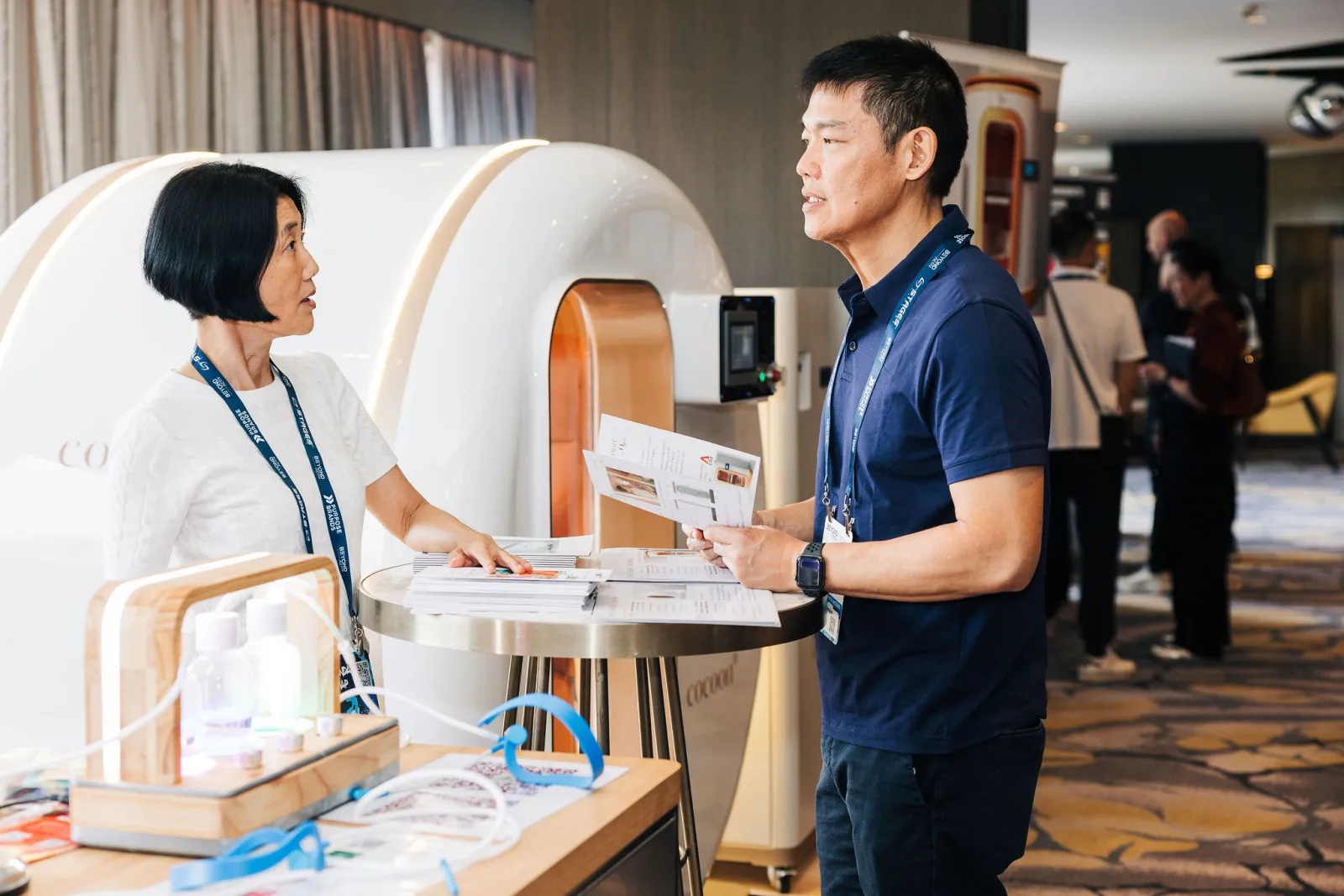
See how current O2genes Soft Shell HBOT cocoon® and Hard Shell HBOT cocoon® products differ in pressure, format, planning and support.