
Blog / HBOT
Does Mild Hyperbaric Oxygen Therapy Do Anything?
Higher pressure is not always better. The right pressure depends on your personal health goal, and mild hyperbaric oxygen therapy (mHBOT) may help some people relax, recover and feel more rested.
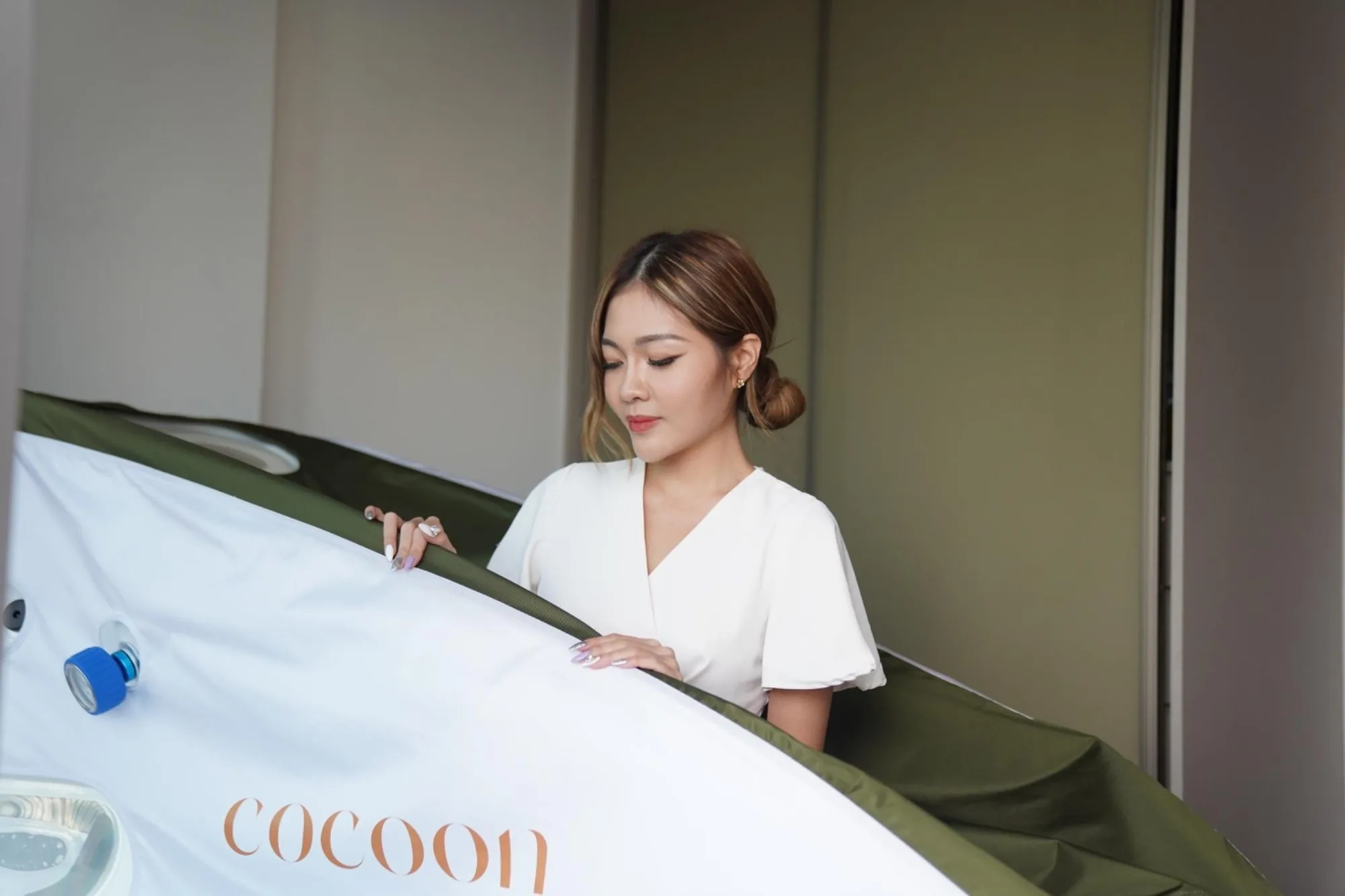
A soft shell HBOT chamber is also more compact than a hard shell chamber, which needs much more space, so it suits people with limited room at home. The practical questions matter as much as the science: what a soft shell hyperbaric chamber is, how safely it is built, and how to tell a well-made one from a poorly made one.
This guide explains what mild HBOT is and what the evidence says. It then covers how soft shell chambers work, why they are a common entry-level step before a hard shell chamber, and the four things that set the O2genes Soft Shell HBOT cocoon® apart from other soft shell chambers: build quality, Air-Break™ Technology, a 23.5% oxygen cap and selectable pressure with third-party pressure testing.
Does mild hyperbaric oxygen therapy actually do anything?
Possibly, for some people, but the evidence is limited. In practice, most people use mild HBOT as part of a wellness routine for relaxation, recovery and rest. Experiences vary from person to person.
Hyperbaric oxygen therapy means breathing oxygen-enriched air inside a chamber pressurized above normal air pressure. Pressure is measured in atmospheres absolute (ATA), where normal air pressure at sea level is 1.0 ATA. The Undersea and Hyperbaric Medical Society (UHMS) defines hyperbaric oxygen therapy as breathing near-pure oxygen at 1.4 ATA or higher. Hospital treatment for medical conditions uses 2.0 ATA or above. “Mild” HBOT (mHBOT) uses a lower pressure, typically 1.3 to 1.5 ATA.
The best-known study is a randomized trial of 63 adults with persistent post-concussion symptoms after a mild brain injury. After 40 sessions of oxygen at about 1.5 ATA (60 minutes a day, 5 days a week), the treatment group had better memory and symptom scores than the control group. The trial had no sham group, the participants knew which group they were in, and the lead author has a financial interest in the treatment facility. It also used hospital-style single-person chambers, so it does not prove that a soft shell chamber gives the same results.
What the research shows:
- A 2022 systematic review in Frontiers in Neurology looked at adults with mild traumatic brain injury and lingering post-concussion symptoms. Its most consistent positive results were at 1.5 ATA with oxygen, usually around 40 sessions. The review was written by the author of the trial above, and every study it included had fewer than 75 participants.
Mild HBOT does not replace medical care. If you have a health condition, speak to your doctor first.
What is a soft shell hyperbaric chamber?
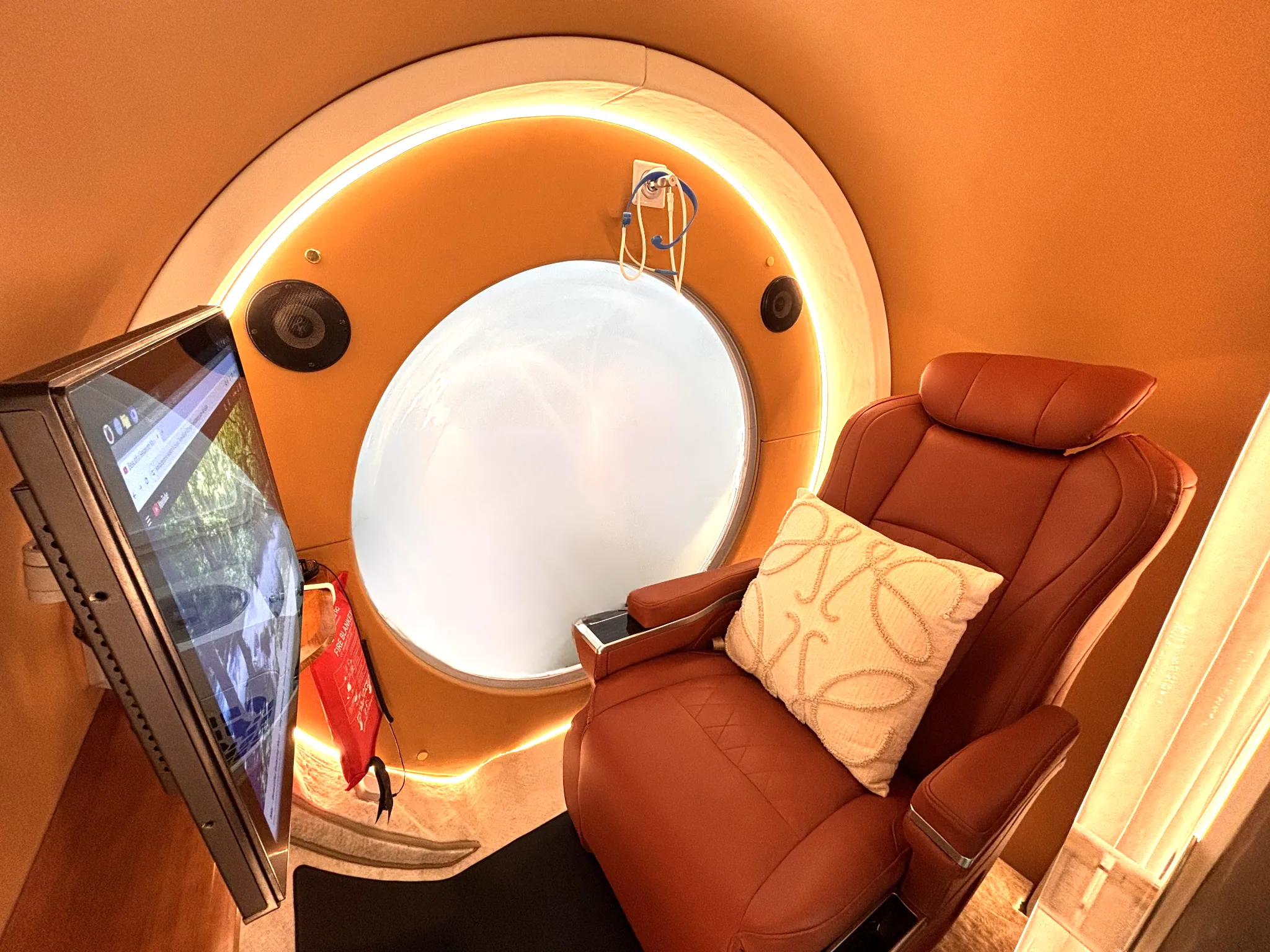
A soft shell hyperbaric chamber is an inflatable chamber that you lie or sit inside, closed with a sealed zip. A compressor raises the pressure inside to a mild level, usually between 1.3 and 1.5 ATA, while oxygen is typically delivered to you through a headset, mask or nasal cannula. At O2genes, you can even choose an oxygen dome for selected models, which helps direct more oxygen to your breathing area.
Compared with a hard shell chamber, a soft shell chamber is:
- Lighter and easier to place. It fits in a bedroom or wellness room without special construction.
- Lower in pressure. Soft shell chambers work in the mild range, while hard shell chambers can reach higher pressures.
- More affordable. This is why many people begin here.
Because the shell is a flexible fabric rather than steel or acrylic, the material, the seams and the safety systems decide how well a soft shell chamber performs. That is where products differ most.
What is the O2genes Soft Shell HBOT cocoon®?
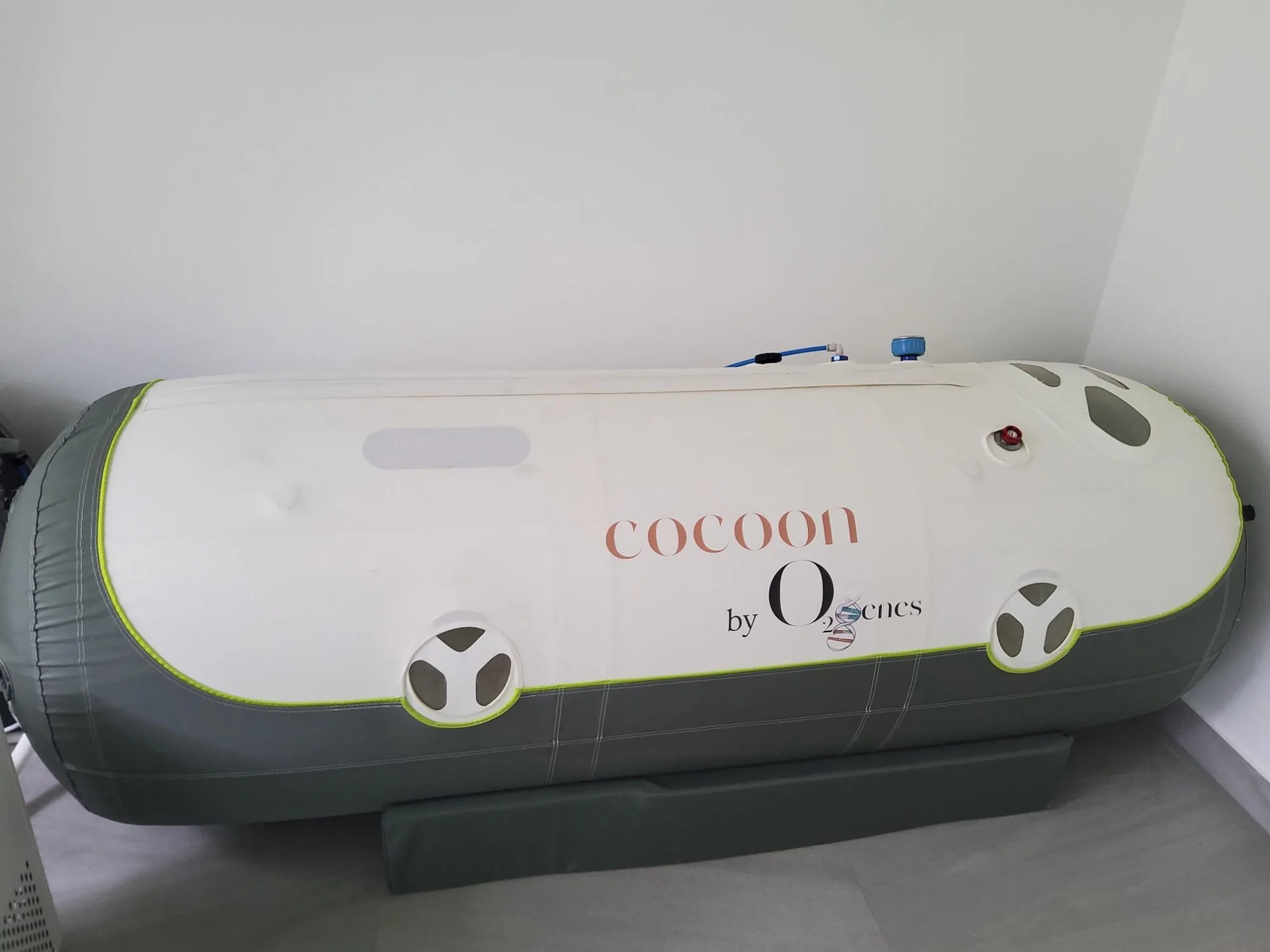
The O2genes Soft Shell HBOT cocoon® is a soft shell hyperbaric chamber designed for home and wellness use, with pressure you can select from 1.1 to 1.5 ATA. It is made from a military-grade TPU shell and built with several layers of safety, so your session stays well inside the limits it was designed for.
O2genes has supported clients in Singapore since 2017. The company was founded by Dr. Josh Lim (PhD), who was moved to act by the passing of his aunt and went on to research mild hyperbaric oxygen therapy and earn certifications from SHUMEC and the IHA.
Four differences between the O2genes Soft Shell HBOT cocoon® and other soft shell chambers
Not all soft shell chambers are built or controlled the same way. O2genes Soft Shell HBOT cocoon® is the first HBOT product O2genes began with in 2017, and from then until now there have been no reported safety incidents. These are the four areas where the O2genes HBOT cocoon® stands apart, and the questions worth asking any brand you are comparing.
1. Build quality and structural safety
The HBOT cocoon® shell is made from military-grade TPU, a material chosen for its strength and its resistance to wear over repeated pressure cycles. Lower-grade materials can wear or degrade after many sessions.
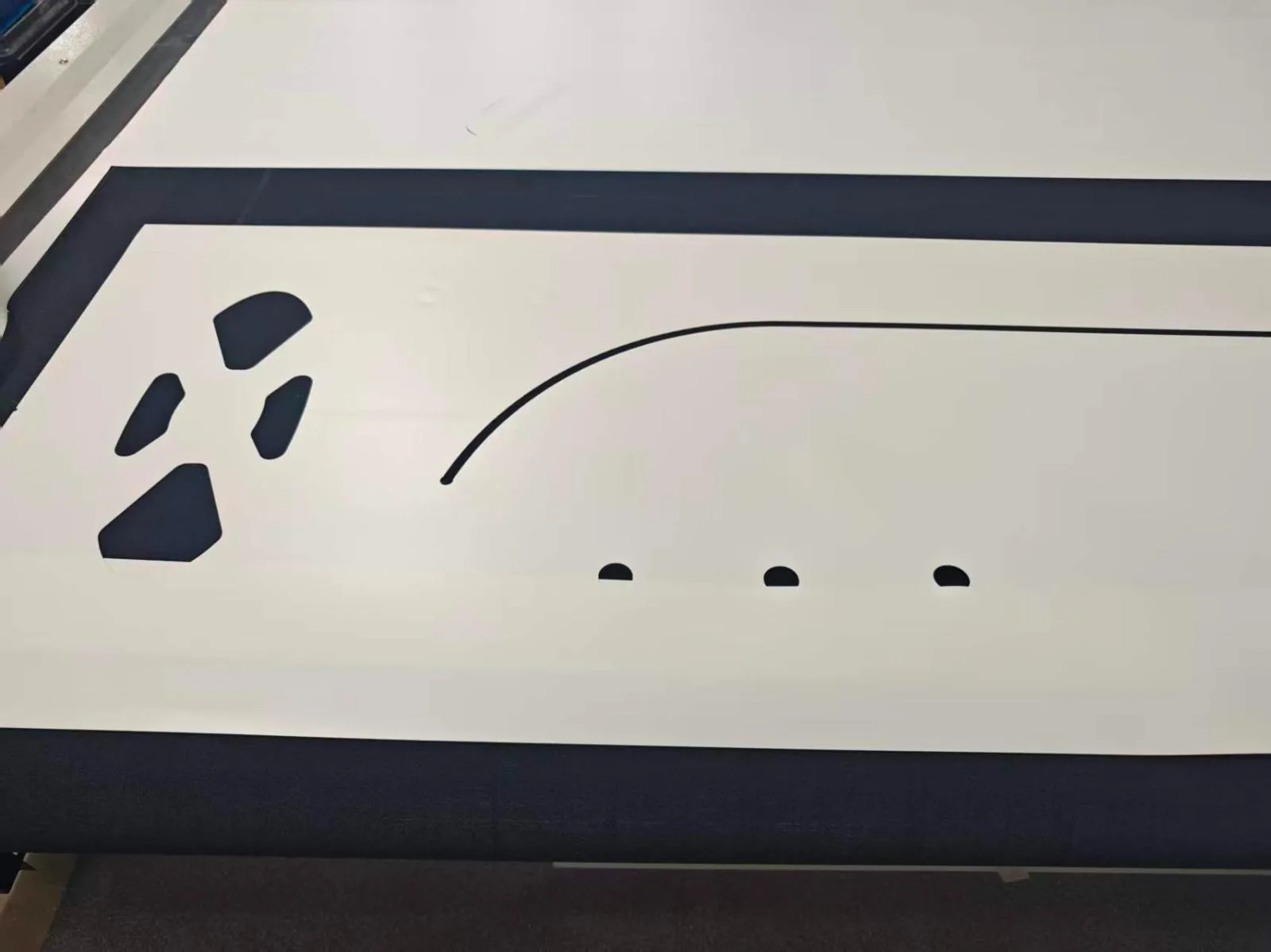
The design also builds in a safety buffer. The shell has been structurally tested to 1.8 ATA, while client sessions are limited to 1.5 ATA, which leaves a generous margin above everyday use. Dual primary mechanical relief valves and a secondary emergency valve release pressure automatically if it rises 0.1 ATA above the operating level, and an internal structural grounding mechanism adds a further layer of protection.
2. Air-Break™ Technology to help reduce oxygen toxicity risk
Breathing oxygen continuously for a long time is not ideal. The HBOT cocoon® uses Air-Break™ Technology, which cycles 20 minutes of oxygen with 5 minutes of ambient air. These short air breaks are designed to help reduce the risk of oxygen toxicity during a session.
3. Oxygen concentration inside the cabin capped at 23.5%
The HBOT cocoon® continuously samples the oxygen level inside the cabin and cuts off the oxygen supply automatically if it goes above 23.5%. Normal room air is about 21% oxygen. Keeping the cabin close to that level matters because oxygen-enriched air makes materials ignite more easily, and fire is the main hazard in any pressurized oxygen environment.
Oxygen reaches you through your headset, mask or nasal cannula, while the air around you stays near normal levels.
4. Selectable pressure and third-party pressure testing
You control the pressure, choosing from 1.1, 1.2, 1.3, 1.4 or 1.5 ATA, so a first-time user can begin gently and build up. The chambers also undergo independent third-party pressure testing, so the safety limits are verified by someone other than the manufacturer.
Why start with the O2genes Soft Shell HBOT cocoon® before upgrading to a Hard Shell HBOT cocoon®?
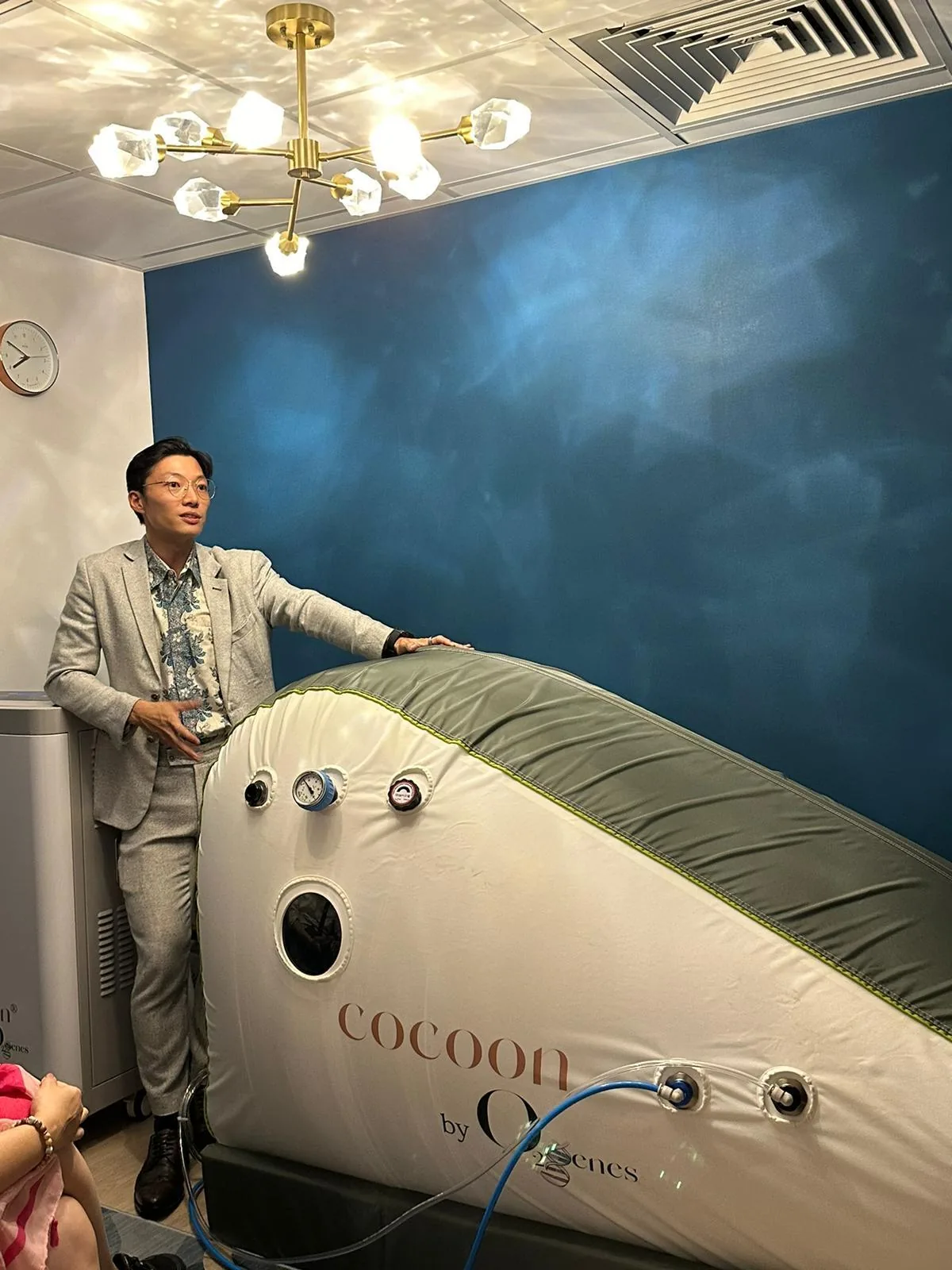
A Soft Shell HBOT cocoon® is the usual entry-level step into HBOT because it lets you build a routine and see how you respond to the pressure before you invest in a Hard Shell HBOT cocoon®.
- Lower commitment. A Soft Shell HBOT cocoon® costs less than a Hard Shell HBOT cocoon®, and with O2genes you can rent one for 3 months before deciding. This is a flexible option that not every HBOT brand offers.
- Fits at home. The footprint is about the size of a queen-size bed, so it suits a bedroom or a spare room. You can see the details on the Soft Shell HBOT cocoon® page.
- Easy to try. Sessions can be done at home, at your own pace, without travelling to a clinic.
Visit the O2genes showroom at 10 Ubi Crescent to see our hyperbaric oxygen HBOT cocoon® in person and try it yourself!
Try mild HBOT with confidence
Mild hyperbaric oxygen therapy has promising but limited research behind it, so the quality of the chamber you choose matters a great deal. The O2genes Soft Shell HBOT cocoon® combines a military-grade TPU shell, Air-Break™ Technology, a 23.5% oxygen cap, selectable pressure from 1.1 to 1.5 ATA and third-party pressure testing.
Visit the O2genes showroom: 10 Ubi Crescent, Ubi Techpark, Lobby A, #06-05, Singapore 408564. To book a visit or ask about rental, message us on WhatsApp +65 8802 9507.
Sources
- Hyperbaric oxygen for mild TBI: systematic review, Frontiers in Neurology (2022)
- US FDA: Follow instructions for safe use of hyperbaric oxygen therapy devices (Aug 2025)
Published
Frequently asked questions
Is mild HBOT the same as hospital hyperbaric therapy?
No. Hospital chambers work at higher pressures (2.0 ATA and above) and are used under medical supervision for specific conditions. Mild HBOT works at 1.3 to 1.5 ATA and is used for wellness.
Is a Soft Shell HBOT cocoon® safe?
Safety depends on how the chamber is built and controlled. Look for a quality shell material, pressure relief valves, grounding, oxygen monitoring and independent pressure testing. The O2genes Soft Shell HBOT cocoon® is built with all of these safeguards, and O2genes has supported clients since 2017 with no reported safety incidents. Always follow the manufacturer’s instructions.
How often should I use a soft shell chamber?
Three to five sessions per week is a suggested protocol. If you own an HBOT cocoon® at home, you can use it whenever you are free.
Who should speak to a doctor first?
Anyone with a medical condition, ear or sinus problems, a lung condition, or who is pregnant should speak to a doctor before using any hyperbaric chamber.
How much does it cost to rent an O2genes HBOT cocoon®?
Contact us to request the price. Our rental package lets you do home sessions at 1.4 to 1.5 ATA. Check with the O2genes team for the details.
Take Your Next Step Experience O2genes HBOT cocoon®
WhatsApp +65 8802 9507 for rental availability and spatial advice, or visit the showroom at 10 Ubi Crescent, Lobby A, #06-05, Singapore 408564.